
From £129
free UK delivery
About £0.53
an hour at full power
10 min
to fit, no electrician
30 days
money back
Written by the WarmFall team · Fact-checked 28 October 2026 · Sources listed below
Safety features to look for
- Overheat cut-out (switches off if it gets too hot)
- Auto-off timer (WarmFall: 8 hours)
- Cool-touch casing
- UK 3-pin plug with proper certification
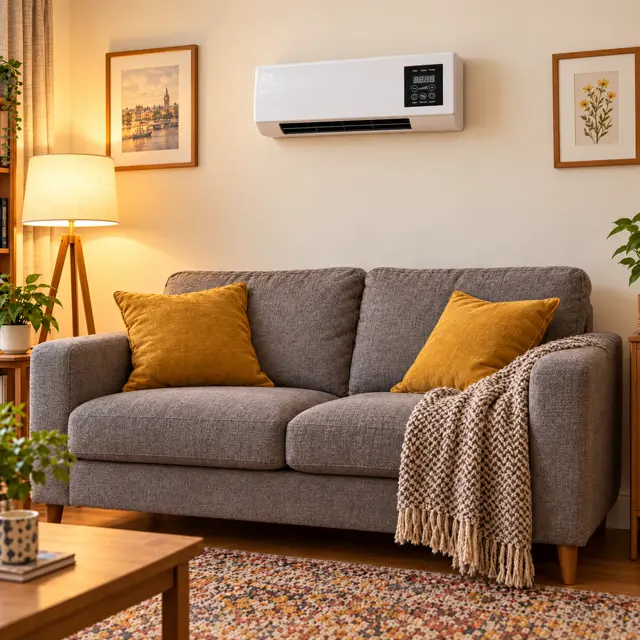
- Wall mounting, so no trailing leads or hot floor-level surfaces
Using a wall heater safely
- Plug directly into a wall socket, not an extension lead
- Keep curtains, clothes and furniture well clear
- Never cover the heater or dry clothes on it
- Don't fit it directly above a socket or in a bathroom unless it's rated for that
Children, pets and older relatives
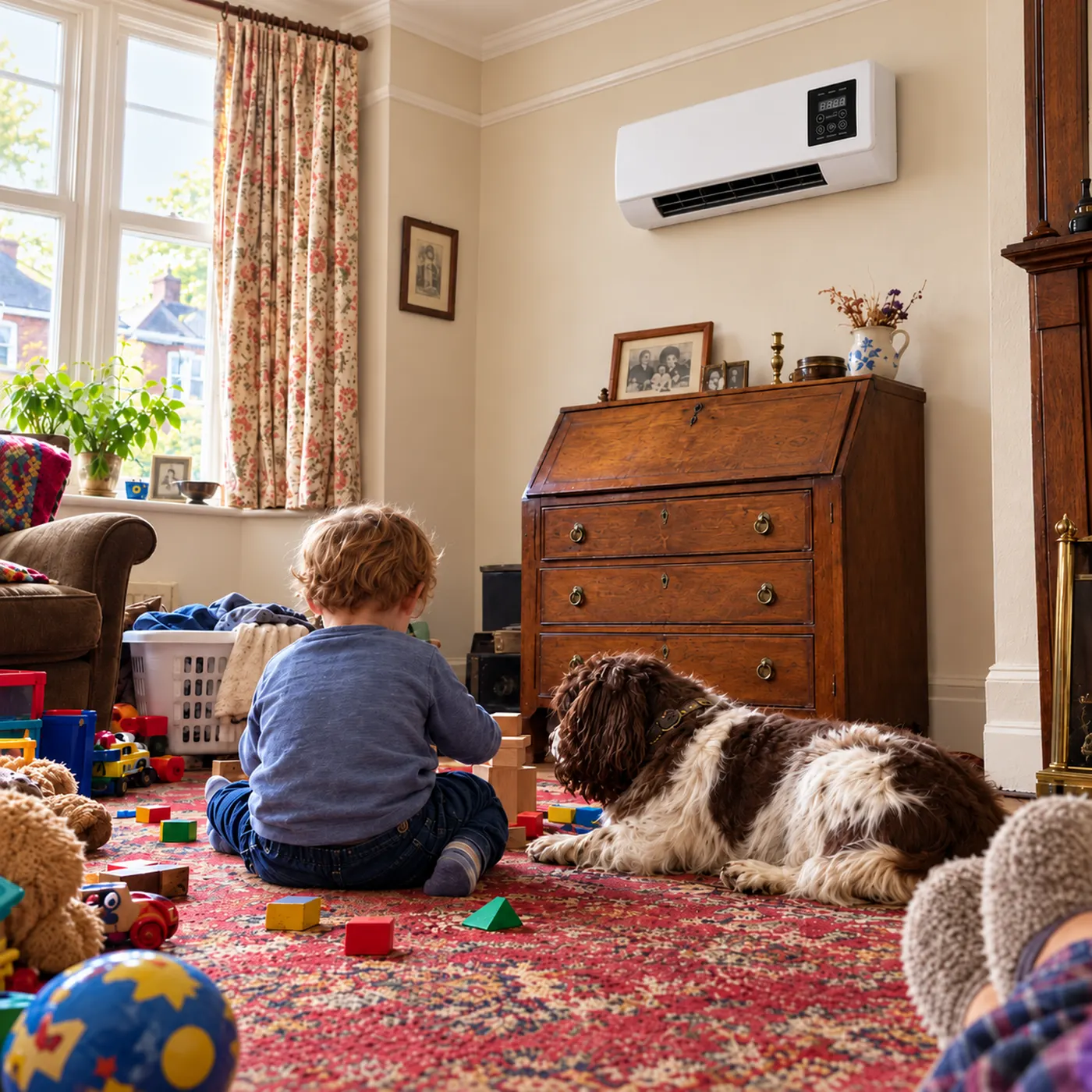
Floor heaters can be knocked over, tripped on or touched. A heater mounted high on the wall removes most of those risks.
Where should a wall heater be positioned safely?
Follow the appliance instructions for mounting height, clearances and wall suitability. Keep the heater at least 1m from curtains, bedding, clothing and other fabrics, and leave its air inlet and outlet unobstructed. Do not put it above or close to a bed, sofa or place where items might be hung over it. Keep the plug accessible and use a suitable socket.
Before drilling, check for hidden cables and pipes and use fixings appropriate to the wall. If uncertain, seek competent help. A wall-mounted heater can reduce floor clutter, but it still needs clear space and adult supervision where children or vulnerable people may touch it. Position it away from water and follow any room restrictions in the manufacturer's instructions.
Winter offer · Free UK delivery
Choose your WarmFall bundle
No account needed · Pay with Apple Pay, Google Pay, PayPal or card
- Free UK delivery
- 30-day money back
- Secure SSL checkout


You'll enter delivery details and pay by card, Apple Pay or Google Pay on our secure Shopify checkout.
Can you leave a wall heater on overnight?
Do not assume a heater is suitable for unattended overnight use. Follow its instructions and use the timer or automatic shut-off as directed. WarmFall has an 8-hour auto-off, but this feature is not a reason to ignore clearances or leave fabrics near the appliance. Switch off and unplug when advised by the manufacturer, and never leave a heater running if it appears damaged or behaves unusually.
Keep it at least 1m from fabrics, never cover it, and do not place clothes on or over it to dry. Make sure no bedding can fall against it. Where overnight warmth is needed, consider safe central heating settings or ask a qualified adviser about suitable options, especially in a household with someone who may not notice or respond to a problem.
Why should heaters not be used with extension leads?
Portable electric heaters draw substantial current, and an extension lead can be overloaded or become hot, particularly if coiled, damaged or shared with other appliances. Plug a heater directly into a suitable wall socket; do not use an extension lead, multi-plug adaptor or trailing lead. If the socket is too far away, choose a safer position or ask a competent electrician about the installation.
Check the plug and socket during use. If the plug becomes hot, switch off the heater and unplug it if safe to do so; do not continue using that socket until the cause has been checked. Stop using equipment with damaged cables, loose connections, scorch marks or a burning smell. Electrical Safety First provides general advice on safe use of electrical appliances.
What safety features should a wall heater have?
Look for an overheat cut-out, clear operating instructions and an appropriate automatic shut-off or timer. A cool-touch casing can make accidental contact with the body less risky, but the air outlet may still be hot and the appliance must not be covered. Safety features reduce some risks; they cannot compensate for poor positioning, damaged wiring or misuse.
Check that the heater has a suitable UK plug and that its rating is appropriate for the socket and circuit. Follow mounting instructions and keep the appliance at least 1m from fabrics. Do not use it near water unless the manufacturer specifically allows this. If a breaker trips, the plug or socket heats up, or you notice damage, stop using it and seek competent advice rather than repeatedly resetting the supply.
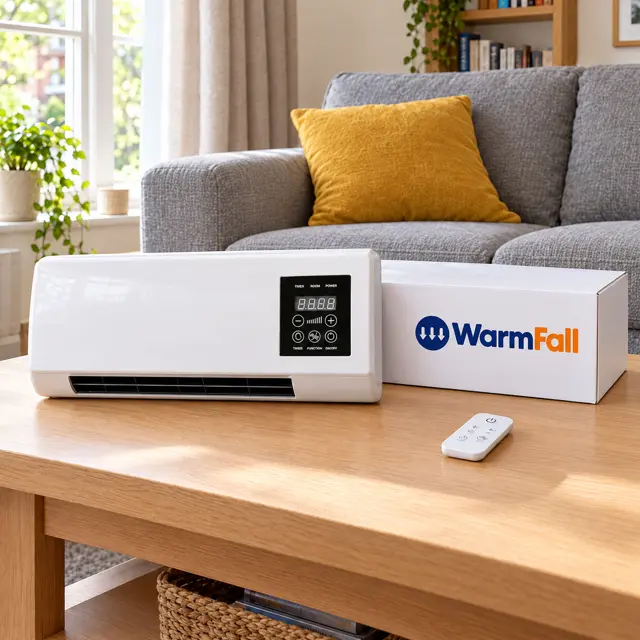
WarmFall 2000W Wall Heater
- Thermostat, remote & 8-hour timer
- Fits in 10 minutes, UK plug
- Free UK delivery · 30-day money back
How should I maintain an electric wall heater?
Switch off and unplug before cleaning, and allow the heater to cool as the instructions require. Remove dust only in the way the manufacturer recommends; do not insert objects into the air outlet or dismantle the casing. Keep vents clear, and never cover the heater or use it to dry laundry. Regularly look for damage to the cable, plug, casing and wall fixing.
If the plug is hot, the socket is discoloured, there is an unusual smell or sound, or the heater repeatedly cuts out, stop using it. Do not try to repair electrical parts yourself. Ask the manufacturer or a suitably competent repair professional for guidance. Electrical Safety First and RoSPA offer general home-safety advice, but the appliance's own instructions govern its particular clearances and use.
Frequently asked questions
Can you leave an electric wall heater on all night?
It's best not to leave any heater running unattended for long periods. WarmFall's 8-hour auto-off and thermostat add protection if you forget.
Do electric wall heaters produce carbon monoxide?
No. Carbon monoxide comes from burning fuel. Electric heaters don't burn anything.
Can electric wall heaters cause fires?
Fires usually come from heaters being covered, placed near fabrics or plugged into overloaded extension leads. Follow the instructions and choose a heater with an overheat cut-out.
How far should a wall heater be from curtains?
Keep it at least 1m from curtains and other fabrics, and follow any larger clearance specified in its instructions. Keep the air outlet clear and make sure curtains cannot blow or fall towards the appliance. Never hang clothing over a heater or use it to dry laundry.
Can I plug a wall heater into an extension lead?
No. Plug the heater directly into a suitable wall socket, not an extension lead or multi-plug adaptor. If the cable cannot reach safely, do not stretch it or use a trailing lead; consider another approved position or ask a competent electrician for advice.
What should I do if the heater plug feels hot?
Switch the heater off and unplug it if it is safe to do so. Do not keep using a hot plug or socket. Check for visible damage or discolouration without dismantling anything, and have the socket and appliance assessed by a competent person before using them again.
Is a cool-touch heater safe to touch while running?
Cool-touch describes the casing, not every part of the heater. The air outlet and nearby surfaces may be hot. Keep children and others from touching the outlet, follow the specified clearances and do not cover the appliance.
Can I leave a wall heater on when I go out?
Follow the manufacturer's guidance and do not leave a heater operating unattended unless its instructions explicitly permit the intended use. A timer or cut-out is an added safeguard, not permission to ignore safe placement. Turn it off if you see damage, unusual heat, smell or noise.
Do wall heaters need regular checks?
Periodically inspect the plug, cable, casing and fixings for damage, and keep air openings free of dust as the instructions explain. If the plug or socket becomes hot, the breaker trips repeatedly or the heater smells unusual, stop using it and seek competent advice.
Related guides
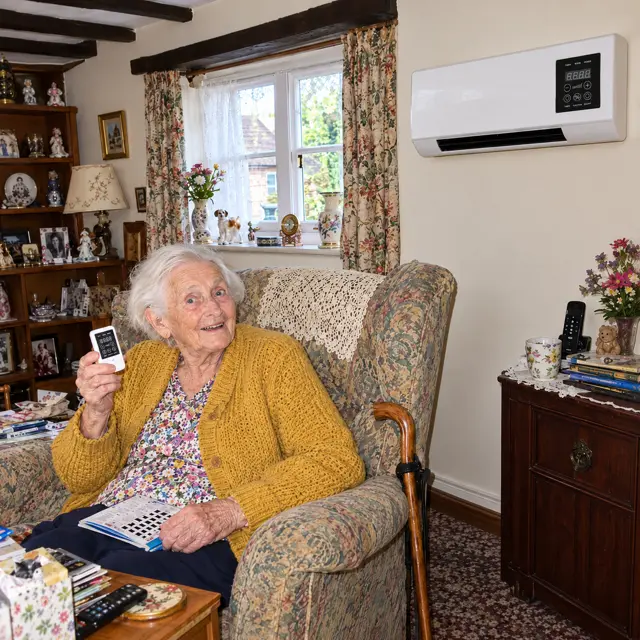
- Electric heaters for elderly relatives
- Wall mounted electric heaters: what to look for
- The best heater for a cold bedroom
Sources
Running-cost figures are estimates based on the Ofgem price cap average of 26.32p/kWh (1 October–31 December 2026). Your costs depend on your tariff, room and usage.